When someone goes silent after an autumn, or a coworker's breathing turns rough and superficial, the clock begins to move in different ways. You really feel the weight of every second. The distinction in between standing by and actioning in boils down to prep work, and for lots of people that means advancing beyond the basics. Advanced first aid training is a dedication of time, focus, first aid trainer certification and occasionally cash, however it can place you in a placement to change the trajectory of a situation. The inquiry is whether you need it now, or whether a strong first aid and CPR course is enough for your threats and responsibilities.
I have trained along with institution team, tradies, lifeguards, workplace supervisors, outdoor overviews, and brand-new moms and dads. Their demands seldom look the very same. The appropriate path depends on your atmosphere, your convenience with hands-on abilities, and exactly how commonly you intend to utilize them. Allow's make sense of the choices, the compromises, and the lived reality behind the marketing blur.
What "progressed" truly means
First aid training exists on a spectrum. On one end sits a brief first aid course that covers blood loss control, burns, fractures, allergic reactions, and standard scene safety and security, paired with a cpr course that teaches upper body compressions and rescue breaths. On the other end you find wilderness medication, advanced resuscitation, oxygen therapy, and components tailored for remote worksites or high-risk settings. Several carriers also bundle first aid and cpr courses, and issue a first aid certificate upon completion.
The word "progressed" hangs. Some organisations label an extended one-day first aid and cpr course as advanced due to the fact that it includes circumstances or AED drills. Others book the term for programs that require you to take care of complicated respiratory tract problems, provide oxygen, or coordinate care over several hours when a rescue is far away. If you wish to comprehend what you are buying, disregard the tag and read the ability list:
- Scene management, triage, and communication under stress Airway administration beyond head-tilt and chin-lift, including placing for presumed spinal injuries and suction technique where permitted Use of extra oxygen or bag-valve-mask tools when guidelines and your role allow Prolonged treatment and tracking for shock, hypothermia, heat disease, and diabetic person emergencies Complex trauma management such as tourniquet usage, wound packaging, and splinting with restricted gear
These subjects surpass a standard first aid course. Not every area CPR and first aid certification permits all skills outside specialist practice, so inspect regional guidelines. An excellent service provider will certainly be clear about scope and when to stop.
Where you are issues more than what you call it
Context drives the ability you need. In a home office with four-minute ambulance reaction times, the concern is quick acknowledgment, premium cpr, and reliable use an AED. Advanced pharmacology or wild methods most likely include bit there. Change to a wind ranch two hours from community, an institution camp, or a sailing race, and the calculus adjustments. You might be the only -responder for an hour, with weather condition closing in and a person whose blood loss will not wait.
Consider oxygen treatment. Several advanced first aid courses include oxygen delivery for serious asthma, heart upper body discomfort, or smoke breathing. In method, a retail shop assistant will never ever deploy an oxygen cyndrical tube, while a browse life conserving group might rely on it weekly. The same holds true for bag-valve-mask ventilation. It is a vital tool, however it calls for training, team effort, and confidence you just construct with repetition.
Real circumstances that divide standard from advanced
I have actually seen standard abilities save lives. A concise cpr course created an office teammate that began compressions within 30 secs when our accounting professional broke down. The AED delivered a shock, paramedics got here in 6 mins, and he went home four days later. No innovative strategies were needed. Speed, clarity, and muscular tissue memory made the difference.

On a wintertime walk in the ranges, we had a various scenario. A walker slipped on shale, suffered a deep laceration near the knee, and showed early signs of shock. The closest road was 90 mins away. We utilized a tourniquet to regulate the bleeding, packed the wound with gauze, elevated the arm or leg, shielded the person head to toe, and monitored pulse and psychological condition. We tracked time, adjusted the tourniquet, and radioed works with two times as problems shifted. That mix of choice production and extended treatment is the district of innovative training. No one worried due to the fact that we had practiced.
Another side situation shows up during extreme bronchial asthma attacks. Fundamental training covers inhaler spacers and recognition of respiratory distress. Advanced courses might add oxygen management and tracking for exhaustion, teaching you how to support a person that looks "better" due to the fact that they are as well worn out to keep battling to breathe. Knowing when to ask for back-up earlier than your pride wants is likewise part of being advanced.
How to evaluate your need without guesswork
Start with threat, after that duty. If your role marks you as the first aid pro on website, or you handle team in a higher-risk industry, you owe it to your team to relocate past marginal compliance. That does not always imply the most intricate path, but it does require self-confidence under pressure. If you are a moms and dad or caregiver for a person with well-known medical problems, framework your training around those specifics. Cardiac background points you towards cpr training and AED use, severe allergic reactions point you toward anaphylaxis procedures, and a diabetic person family member suggests for even more time on glucose evaluation and hypoglycemia management.
Frequency likewise matters. Abilities degeneration is real. Compression depth, hand positioning, mask seal, and even the routine of saying "I am starting the timer" throughout a seizure all break down after a couple of months. If you will not practice, select a format that compels rep. Several companies run short cpr refresher course sessions every 6 to one year, which keeps your strategy sharp.
Finally, consider your personality. Some people thrive on hands-on drills, improvisating splints with coats and poles. Others freeze when a scene gets loud. If loud, perspiring scenarios make your mind lock, request even more scenario-based training, not less. Repetition develops tranquility. I have enjoyed silent bookkeepers develop right into consistent scene leaders because their first aid courses did not shy away from sound, time stress, and clashing information.
Choosing between basic and advanced: a useful matrix in words
Picture 3 inquiries, and let the solutions determine:
Do you function or invest long periods past quick rescue get to? If of course, a wild or remote-area progressed first aid course is worth your time. You will find out to think in hours, not minutes, and to handle cool, dehydration, and injury treatment with restricted gear.
Are you marked as the very first point of care in an area with lots of people or recognized hazards, such as a factory floor, swimming pool facility, or school? If yes, take into consideration sophisticated resuscitation modules that cover oxygen, air passage accessory recognition within lawful limitations, and management. Your choices affect many.

Is your most likely situation a cardiac arrest in a public area or a minor home injury? If yes, a strong first aid and cpr course with lots of AED practice gets you 90 percent of the benefit. Top it up with a cpr refresher course two times a year if possible.
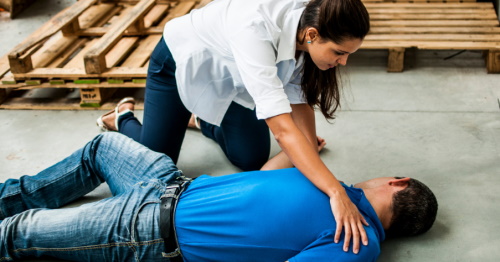
What great advanced training looks and feels like
You needs to complete a session a little weary, a little bit untidy, and very clear on your next actions. The best instructors do not chase perfection in every drill. They established clear priorities and allow you make little mistakes, then coach you to recuperate. Expect unglamorous rep: mask seals up until your hands learn the angle, upper body compressions up until your triceps burn, and bandaging up until your wrap sits tight with great distal circulation.
I look for 3 markers when I assess a carrier:
Realistic scenarios with time pressure. Not mayhem for its own purpose, however sufficient sound and distraction to make you exercise communication. We as soon as ran a drill inside a stairwell while someone rattled a steel barrier. It felt excessive until we operated in a parking lot beside a fallen leave blower.
Clear scope borders. Liable teachers tell you what not to do as loudly as what to do. They attract a bright line around medications you may assist with, the limitations of spine precautions without devices, and when to turn over to experts even if your ego wants another attempt.
Feedback with numbers, not vibes. Purpose compression deepness and recoil ratings, stopwatch timing on scene surveys, pulse checks gauged and taped. Data repairs bad habits.
Certification, currency, and the misconception of one-and-done
A first aid certificate shows you attended, passed the assessments, and satisfied the requirement on that day. It does not give long-term preparedness. The majority of certs expire after one to three years, and lots of work environments call for annual cpr training. I recommend extra regular refreshers than the minimum. Short, targeted sessions beat a lengthy slog every few years. Think of it like workout. Uniformity builds capacity.
For professionals that count on these skills, maintain an easy log. Note days, subjects covered, teachers, and any kind of real cases where you reacted. After an occurrence, compose what you succeeded, what felt sluggish, and what you would certainly alter. Then bring those notes to your next training course and ask to run those circumstances. An excellent provider will certainly adjust. If they will not, discover one who will.
Equipment you will find out to make use of, and how that translates at work or home
Advanced programs usually present a lot more kit. The goal is not to transform you right into a paramedic by shopping cart, however to educate you exactly how to get one of the most from easy tools.
Tourniquets and injury packing. When you use them well, catastrophic blood loss control becomes efficient. Anticipate clear advice on placement, tightening up till hemorrhaging quits, and marking application time. In the real life, this ability matters in building, farming, and remote sports.
AEDs. These are all over now, from health clubs to airports. You should exercise transforming one on, complying with prompts without overthinking, and managing the crowd while pads enter place. When somebody is in heart attack, cpr and early defibrillation are your ideal evidence-based tools.
Oxygen and bag-valve-mask. These require method and, in some regions, role-based permission. Also if your workplace will certainly not equip them, direct exposure to these devices changes how you think about respiratory tract and breathing. You improve at placing and at reading exhaustion in a having a hard time patient.
Splinting and improvised assistance. Advanced classes must make you splint with what you have. On a jobsite that might be lumber offcuts and triangular bandages. On a route, trekking posts and coats. The aim is security and convenience up until aid arrives.
Time expenses, economic costs, and the return on both
A standard one-day first aid and cpr course usually takes 6 to 8 hours, including evaluation. A cpr course alone is commonly 2 to 3 hours. Advanced choices vary extensively, from one long day to multi-day intensives with pre-course study. Costs track period and tools. Anticipate a moderate charge for essentials and a greater one for advanced modules, particularly wild programs that run outside and utilize more gear.
What do you get for the additional investment? first aid training facilities near me Much better pattern recognition, stronger hands-on strategy, and the self-confidence to choose when there is no manuscript. That self-confidence repays in little means also. I have seen trained staff deal with a fainting spell without panic, keep a public event on time after a minor injury, and minimize downtime on a site due to the fact that someone recognized just how to take care of a cut promptly and cleanly.
If your employer gain from your training, ask to fund it or to detail it as paid work time. Many do, specifically if you will certainly be a chosen first aid pro. Some suppliers price cut cpr correspondence course bundles when a team publications with each other. The roi boosts when your whole team trains, not just one person.
Making one of the most of your next course
Show up relaxed, moistened, and ready to speak out. Inform the instructor what you hope to discover. If you handle a group, bring the format of your site, the address for emergency situation services, and any kind of known dangers. Ask to run a scenario that resembles your globe, not a common office.
During abilities method, aim for excellent repetitions, not perfect ones. Fight need to discuss mistakes away. When you fumble a mask seal or fail to remember an action, run it again quickly. Ask for quantifiable feedback. Most contemporary manikins supply it, and also when they do not, an excellent instructor can time you and see your depth and recoil.
After the course, show one concept to an associate or relative within 24 hours. That easy act cements your memory. Then set a suggestion to exercise compressions for five mins as soon as a month. If you not do anything else, that routine keeps your cpr sharp.
When progressed is not the answer
Drive before you race. If you have actually never taken a first aid course, begin there. A clean, confident main survey, smooth cpr, and early AED usage save more lives than any kind of unique technique. Advanced web content layered on unstable basics comes to be noise.
Skip progressed modules if your local laws limit their usage and you have no pathway to release those skills. Learning oxygen therapy you can not lawfully use might irritate greater than encourage. In those situations, put your initiative right into leadership, interaction, and the basics under pressure.
If stress and anxiety around emergency situations influences your sleep or day-to-day feature, choose a supportive, slower-paced program initially. Excellent trainers construct your home window of resistance progressively. When you can breathe and think throughout a straightforward circumstance, you can include complexity.
The function of providers and fit
Reputation and in shape issue. You desire an instructor that has seen genuine scenes, however additionally understands exactly how to educate. Enjoy just how they speak about errors. If they shame learners, keep looking. Ask how usually they update their web content and which guidelines they adhere to. Evidence adjustments. CPR compression rates, ratios, and AED triggers have actually developed over time, and so have techniques to hemorrhaging control.
I watch out for programs that include glossy tools without clarifying when not to utilize them. The most effective first aid training keeps you based in concerns: make the scene risk-free, check response and breathing, telephone call for assistance early, and scoot on life hazards. Fancy gear does not replace fundamentals.
A brief decision aid you can act on this week
- If you can enlist in an incorporated first aid and cpr course within the following month, do it. Pick one with a lot of AED technique and situation time. If you already hold a first aid certificate, timetable a cpr refresher course within 6 to year of your last training. Bring questions from actual circumstances you have worried about. If your job or pastimes take you remote, study a wild or remote-area first aid alternative and set a date. Ask about extended care, hypothermia management, and discharge planning. If your office expects you to be the first aid pro, talk with your supervisor regarding innovative modules and equipment, consisting of AED positioning and maintenance. If you take care of someone with details threats, inform your teacher at sign-in and demand targeted practice.
The quiet payoff
Advanced training does more than add methods. It transforms how you consider the world. You begin to see leave courses, just how crowds relocate, which surfaces get unsafe first. You develop little routines, like bring handwear covers and a pocket mask, or keeping a first aid set stocked in your automobile as opposed to wedged under camping gear. You examine the AED battery light when you pass it. You run through what you would state on the phone to emergency services, to the address and eviction code.
That tranquility, ready posture is the real item. Whether you quit at a solid first aid course with cpr training or lean into innovative web content, you are getting the capability to satisfy a bad moment with clear action. For lots of people, that starts with the basics, developed well and maintained with refreshers. For those that hang out much from fast assistance, or who lug obligation for others in risky environments, progressed first aid training is not a badge, it is a duty.
If you are still not sure, speak to a company, define your daily life, and inquire to map the program material to your threats. A great one will certainly not oversell. They will help you pick a course that fits. And the next time a silence falls after a crash or a yell, you will be ready to fill it with the best kind of sound, the kind that conserves a life.